
In real estate, first impressions are everything. While location, size, and price remain fundamental, interior design has emerged as a powerful factor that can significantly influence how quickly a property sells and at what price. Modern buyers are not just purchasing walls and square footage—they are buying into a lifestyle, an atmosphere, and an idea of what their future could look like. This is why style, when executed thoughtfully, has become one of the strongest selling tools in the market.
Why Interior Design Matters in Real Estate
A well-designed interior sets the stage for how a property is perceived from the very first moment. Buyers often decide within minutes whether a home “feels right,” and much of that decision comes down to design. Clever use of space, cohesive aesthetics, and inviting finishes create an emotional response, which is often more influential than logical considerations. Studies in property marketing have shown that homes with strong design appeal sell faster and closer to asking price, underscoring the role of style in driving financial outcomes.
Key Interior Design Elements That Influence Property Value

Layout and Functionality
A home’s layout determines how comfortable and practical it feels. Open-concept living remains popular because it enhances natural light and creates the illusion of larger spaces, while traditional segmented layouts can appeal to buyers who value privacy. A functional flow between rooms often matters more than total square footage, proving that smart design can outshine raw size.
Lighting and Color Schemes
Light shapes mood and perception. Properties with large windows and well-positioned artificial lighting often feel more inviting. Color palettes also play a crucial role. While bold tones may suit personal taste, neutral shades appeal to the widest range of buyers, allowing them to imagine their own belongings in the space without distraction.
Materials and Finishes
The tactile experience of a home—wood flooring, stone countertops, brushed metal fixtures—signals quality and value. Even subtle upgrades, such as modern cabinet handles or stylish light fixtures, can change how upscale a property feels. Buyers often equate good materials with good maintenance, which builds confidence in the purchase.
Furniture and Staging
Perhaps one of the most underestimated yet impactful aspects of selling real estate is staging. A staged home does more than fill empty rooms; it creates a narrative of how life might unfold in the property. A cozy reading corner, a welcoming dining setup, or a serene bedroom can make potential buyers envision themselves living there, which is often the final push they need to commit.
Smart Technology Integration
Modern buyers, particularly in urban markets, look for homes that merge style with function. Smart thermostats, integrated lighting systems, and discreet tech solutions that blend seamlessly into design make a home both desirable and future-ready. A stylish space that also feels technologically advanced carries a strong competitive edge.
How Interior Design Affects Buyer Psychology
Interior design is not just visual—it is emotional. The way a room is presented can trigger a sense of comfort, aspiration, or excitement. When buyers walk into a property that feels polished and thoughtfully designed, they begin to imagine their own routines and milestones within it. On digital platforms, where many first encounters happen, beautifully designed interiors photographed professionally capture more clicks and inquiries than empty or poorly staged spaces. The psychology of “this feels like home” is one of the most powerful drivers in real estate transactions.
Real Estate Agents and Designers: A Powerful Partnership
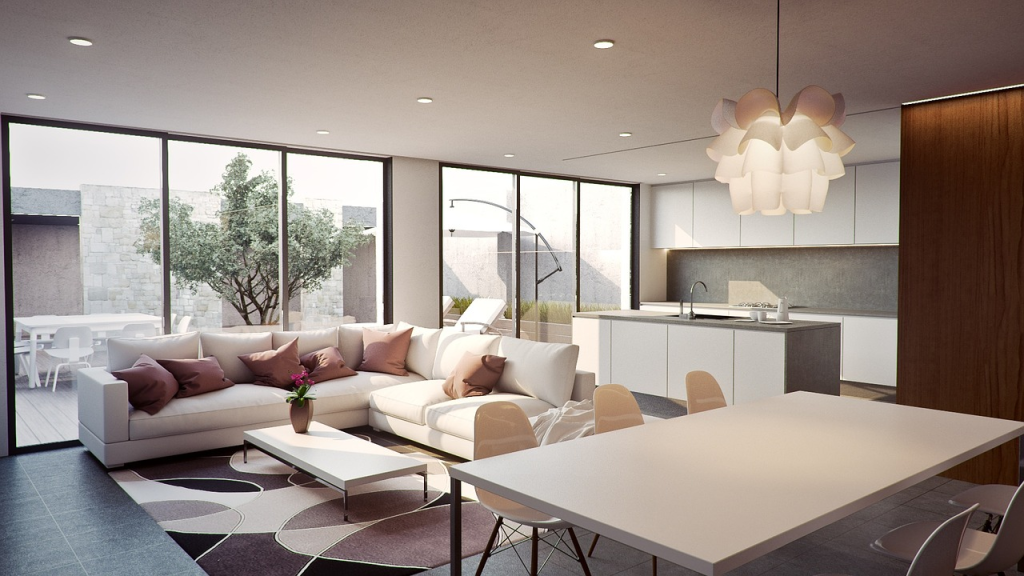
Agents increasingly recognize the power of design in closing deals. Collaborations with interior designers allow them to position properties as not just structures but as lifestyle investments. For instance, an outdated apartment can be transformed with minor design interventions—fresh paint, modern lighting, or new staging furniture—leading to a significantly higher selling price. Many realtors now recommend sellers consult with design professionals before listing, as the upfront cost is often offset by quicker sales and stronger offers.
Cost vs. Value: Is Investing in Design Worth It?
One of the most common concerns among sellers is whether design upgrades will actually pay off. In most cases, they do. Small investments in painting, lighting updates, or staging consistently deliver some of the highest returns in real estate. For higher-end properties, more substantial improvements such as custom cabinetry, upgraded flooring, or designer finishes can place a property in an entirely different market tier.
Here is where design provides a clear advantage:
- Quick fixes such as neutral paint, modern fixtures, and fresh décor create immediate visual impact at minimal cost.
These targeted changes often make a property more competitive without requiring a full renovation. Luxury upgrades, on the other hand, tend to deliver the best ROI in premium markets, where buyers expect sophistication and uniqueness.
Future Trends: The Evolving Role of Design in Real Estate
Looking ahead, interior design in real estate is moving toward sustainability and personalization. Eco-friendly features like reclaimed wood, energy-efficient lighting, and natural materials are increasingly valued by buyers conscious of environmental impact. Minimalism continues to hold appeal, especially in urban areas where sleek, uncluttered design conveys a sense of modern living. At the same time, digital staging and virtual reality tours are changing how properties are presented online, giving design an even greater role in shaping first impressions.
Interior design is no longer a finishing touch; it is a strategic tool in real estate sales. From the way a space feels when someone steps through the door to how it photographs in a listing, design shapes perception and drives value. Sellers, buyers, and agents alike benefit from recognizing that style doesn’t just make a home beautiful—it makes it desirable, competitive, and ultimately more valuable. Investing in design is not an expense; it is a way of selling a vision, and that vision sells.