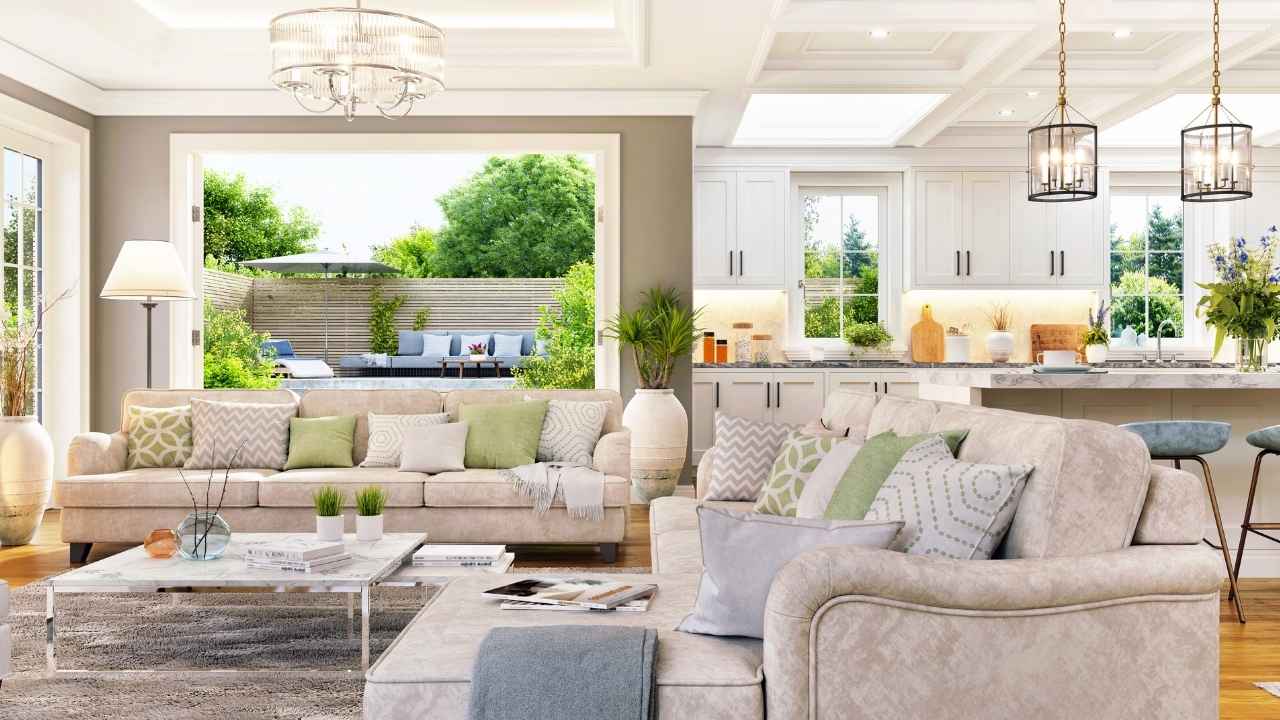
Open-concept living has become a defining trend in modern home design, transforming the way we interact with our living spaces. By removing walls that traditionally separate the kitchen, dining, and living areas, open-concept layouts create a sense of flow and spaciousness that many homeowners crave. But like any design choice, open-concept living comes with both advantages and challenges. This article explores the pros, cons, and creative design ideas to help you decide if this style suits your home and lifestyle.
What Is Open-Concept Living?
At its core, open-concept living eliminates the barriers between main living areas, creating a unified, expansive environment. This approach gained popularity in mid-century modern homes, when architects began to favor natural light and open flow over compartmentalized rooms. Today, it’s celebrated for fostering social connection and flexibility, making homes feel larger, brighter, and more inviting. Open-concept designs are now a hallmark of contemporary architecture, often paired with minimalist or modern aesthetics.
The Pros of Open-Concept Living
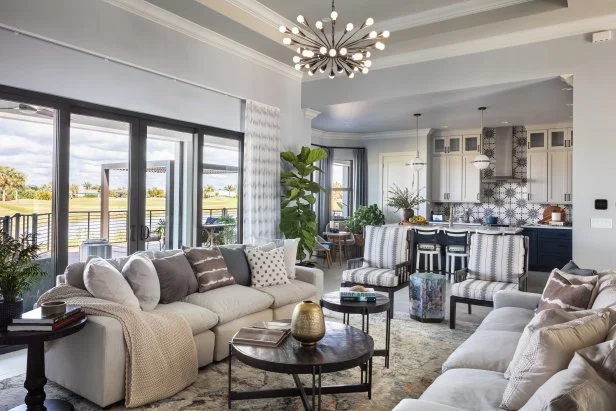
One of the most notable benefits of an open-concept home is the sense of spaciousness it creates. With fewer walls blocking views and light, rooms feel airier and more connected. Sunlight can travel further, illuminating areas that would otherwise feel cramped or dark, while airflow improves comfort throughout the space. This layout is particularly advantageous for smaller homes, where maximizing every square foot matters.
Open-concept living also enhances social interaction. In this type of layout, cooking, dining, and entertaining can occur simultaneously without isolating anyone in separate rooms. Families can converse across spaces, and hosts can engage with guests while preparing meals. The design encourages a lifestyle where connection and visibility are prioritized, fostering warmth and openness.
Flexibility is another strong advantage. Furniture arrangements can be changed with ease, and spaces can adapt to different needs over time. Whether your taste leans toward contemporary, minimalist, or eclectic styles, the open layout provides a versatile canvas for creative expression.
The Cons of Open-Concept Living
Despite its appeal, open-concept living is not without drawbacks. One of the most obvious challenges is the lack of privacy. Noise travels freely in open spaces, making it difficult to find quiet corners or private zones. Conversations, television sounds, and household activities can overlap, which may be frustrating for larger families or homes with multiple occupants.
Energy efficiency can also be a concern. Heating or cooling a large, open area often requires more energy than enclosed rooms, potentially increasing utility costs. Additionally, the design can present organizational challenges. Without walls to contain clutter, every item is visible, and it’s easy for spaces to feel messy if not carefully managed.
Decorating open-concept homes requires thoughtful planning. Large, continuous walls are rare, so opportunities for hanging art or installing shelving may be limited. Integrating storage, defining zones, and maintaining a cohesive aesthetic are essential to avoid visual chaos.
Design Ideas for Open-Concept Spaces
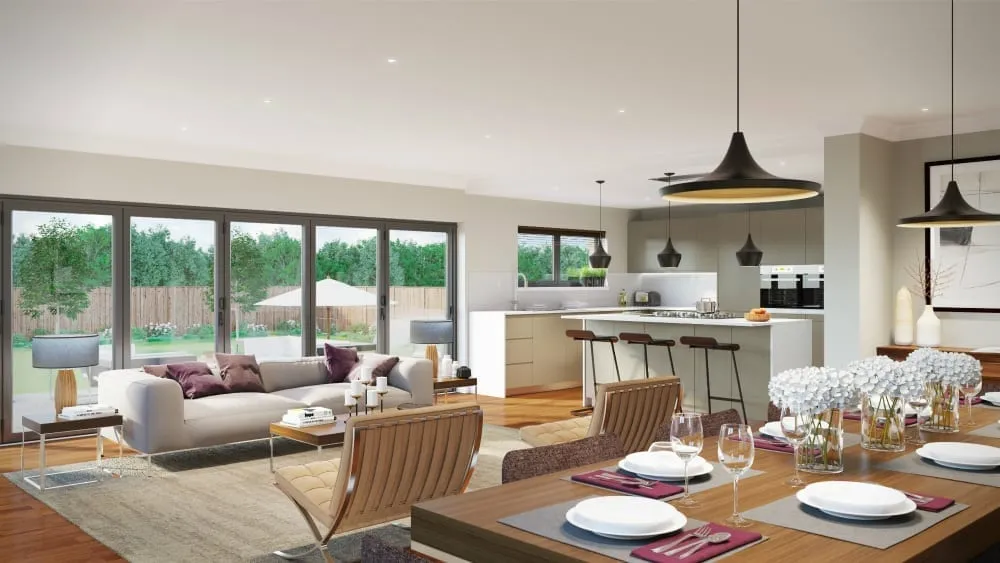
Designing an open-concept home successfully means balancing openness with functionality. One of the most effective strategies is using zoning techniques. Rugs, lighting, and furniture placement can subtly indicate different areas within the larger space. For example, a sectional sofa can delineate the living area, while a dining table marks the eating zone.
Glass partitions or sliding walls provide another solution. These elements preserve the sense of openness while introducing flexibility and separation when needed. They are especially useful for creating quiet workspaces or private dining areas without closing off the home entirely.
Lighting also plays a crucial role in open-concept design. Layered lighting can distinguish areas and create ambiance throughout the day. Pendant lights over a dining table, floor lamps near a seating area, and recessed lighting in the kitchen can all contribute to an organized, visually appealing environment.
Maintaining a consistent design theme is key. Open layouts work best when colors, textures, and materials flow seamlessly from one area to the next. Cohesive choices for flooring, wall colors, and furnishings prevent the space from feeling fragmented. Balancing open shelving with concealed storage helps manage clutter while keeping the area stylish and functional.
Tips for Making Open-Concept Living Work
Open-concept living demands attention to detail to maximize both beauty and practicality. Sound-absorbing materials, such as rugs, curtains, and acoustic panels, help mitigate noise. Multifunctional furniture, like benches with hidden storage or movable islands, adds flexibility. Focal points in each zone, whether a statement light fixture, an art piece, or a distinctive rug, guide the eye and reinforce purpose within the open layout.
Open-concept living is a design philosophy that promotes openness, light, and connection, but it also comes with challenges like noise, privacy, and organization. By understanding its pros and cons and incorporating smart design strategies, homeowners can enjoy a functional, stylish, and inviting home. For those seeking the best of both worlds, hybrid solutions such as glass partitions or partial walls offer a balance between openness and privacy, ensuring that the home meets both aesthetic and practical needs.