
Working from home has become a reality for millions of professionals, and the way you design your workspace can directly impact your focus, comfort, and creativity. A well-thought-out home office combines functionality with personality, creating an environment where productivity thrives without sacrificing style. Whether you have a full room to dedicate or a quiet corner in your apartment, the right approach can transform any space into a work-friendly haven.
Choosing the Right Location for Your Home Office
The first step in creating an effective home office is deciding where it should be. Natural light plays a huge role in boosting mood and energy, so placing your desk near a window can be a game changer. At the same time, noise levels matter—if your home is busy, a secluded corner or even a converted closet can provide the focus you need. Large homes might offer the luxury of a spare room, while smaller spaces require creative thinking, but in both cases the goal remains the same: a comfortable, quiet area dedicated to work.
Essential Furniture for Comfort and Productivity
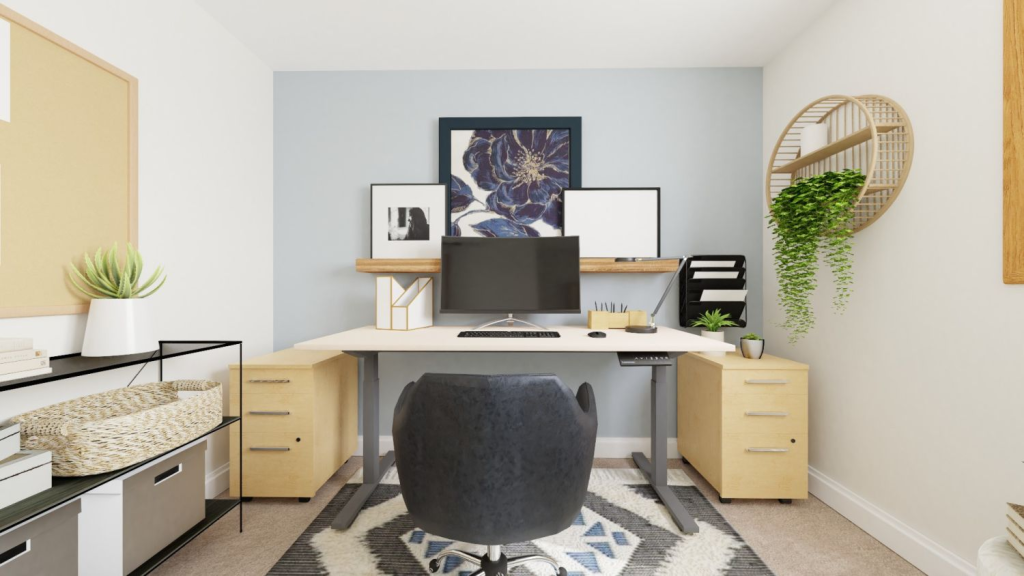
The backbone of any home office is its furniture, and investing in ergonomic pieces pays off in the long run. A supportive chair and a desk at the correct height reduce strain, keeping you energized during long hours. Storage is another crucial element. When shelves, cabinets, and drawers are well arranged, they prevent clutter from creeping into your workspace, giving you more room to think clearly. If space is limited, multi-functional furniture — like a foldable desk or a wall-mounted table—can be the perfect solution, blending practicality with design.
Lighting That Boosts Productivity and Style
Lighting shapes both the mood of your workspace and the way you work. Natural light is ideal, but not always available throughout the day. That’s where a mix of ambient and task lighting becomes essential. A desk lamp with adjustable brightness ensures that your eyes don’t tire, while warm, softer lighting creates a cozy atmosphere in the evenings. The right balance makes the room not just functional but also inviting, encouraging you to sit down and get things done.
Incorporating Technology Seamlessly
Cables and wires can quickly ruin the sleek look of a stylish home office. Clever cable management—using clips, boxes, or hidden outlets—keeps everything tidy. Monitor arms and laptop stands lift your screens to eye level, improving posture while maintaining a minimalist aesthetic. Adding smart gadgets such as wireless chargers, noise-canceling headphones, or voice-controlled lighting can make your office more efficient without overwhelming the design.
Adding Personal Style to Your Workspace
Designing for productivity doesn’t mean ignoring personality. Color psychology can guide your choices: blues and greens promote calm focus, while yellows spark creativity. Walls don’t need to remain bare; framed artwork, photographs, or an inspiration board bring life to the room. Plants, whether a single potted fern or a collection of succulents, add both freshness and warmth, improving air quality while giving the space a natural touch.
Designing for Small or Multi-Purpose Spaces
Not every home allows for a separate office, but even the smallest spaces can be transformed into effective work areas. A corner desk in the living room, a slim workstation under the stairs, or even a fold-out setup in the bedroom can serve the purpose. The trick is to create a clear boundary between personal and professional space, ensuring that your mind associates the chosen spot with focus and productivity.
Creating Work-Life Balance with Zoning
One of the biggest challenges of working from home is the blurred line between office time and personal life. Zoning helps draw that boundary. A rug under your desk, a folding screen, or even subtle changes in lighting can signal to your brain that you are “at work.” Once the day ends, switching off your lamp or closing a cabinet door becomes a small ritual that helps you transition back into personal time.
Inspirational Home Office Design Styles
When it comes to style, there is no one-size-fits-all approach. Modern minimalism focuses on clean lines and neutral palettes, creating an uncluttered atmosphere perfect for focus. Industrial chic brings in raw textures like metal and wood, appealing to those who like a bold aesthetic. Scandinavian simplicity, with its light tones and natural materials, promotes calm and creativity, while a luxury executive style emphasizes sophistication with rich finishes and statement furniture. Each approach offers a different way to balance personality and professionalism.
Designing a productive and stylish home office is about blending practicality with personal expression. From choosing the right location to selecting ergonomic furniture, optimizing lighting, and adding decorative touches, every detail contributes to a workspace that feels both functional and inspiring. Even small changes, like introducing plants or improving your lighting, can have a significant impact on your daily focus and well-being. The most important step is to create a space you enjoy spending time in, because a workspace you love is one that will keep you motivated.