
Creating a beautiful home isn’t just about keeping up with the latest trends. While trends come and go, certain interior design principles remain constant and enduring. These timeless rules are the foundation for creating a space that not only looks great today but will continue to look stylish for years to come. Whether you’re redecorating a single room or planning an entire home makeover, here are ten timeless interior design rules every homeowner should know.
1. Focus on Functionality First
The first rule of timeless interior design is to prioritize functionality. A space should work for the people living in it. While it’s easy to get caught up in selecting the latest design trends, none of that matters if the space isn’t practical for everyday life. Always ask yourself, “Is this functional?” before finalizing any design decision. When your home is designed with purpose, it not only looks good but also improves the quality of your living experience.
2. Embrace Neutral Color Palettes
Neutral colors form the backbone of timeless interior design. Shades like white, beige, gray, and taupe provide a versatile foundation that works with a variety of styles and eras. Neutrals create a calm and elegant atmosphere, making it easy to incorporate pops of color through accessories or art without overwhelming the space. These hues also have the advantage of making your home feel open and inviting, no matter how big or small it is.
3. Invest in Quality Furniture
When it comes to furniture, quality over quantity is the golden rule. Investing in well-made, durable pieces may require a higher upfront cost, but it pays off in the long run. Timeless furniture is built to last, both in terms of construction and design. Look for classic styles that can easily be refreshed with new accessories or fabric, rather than trendy items that may feel dated in a few years. Think solid wood tables, leather armchairs, and neutral-toned sofas that will stand the test of time.
4. Create Balance and Symmetry
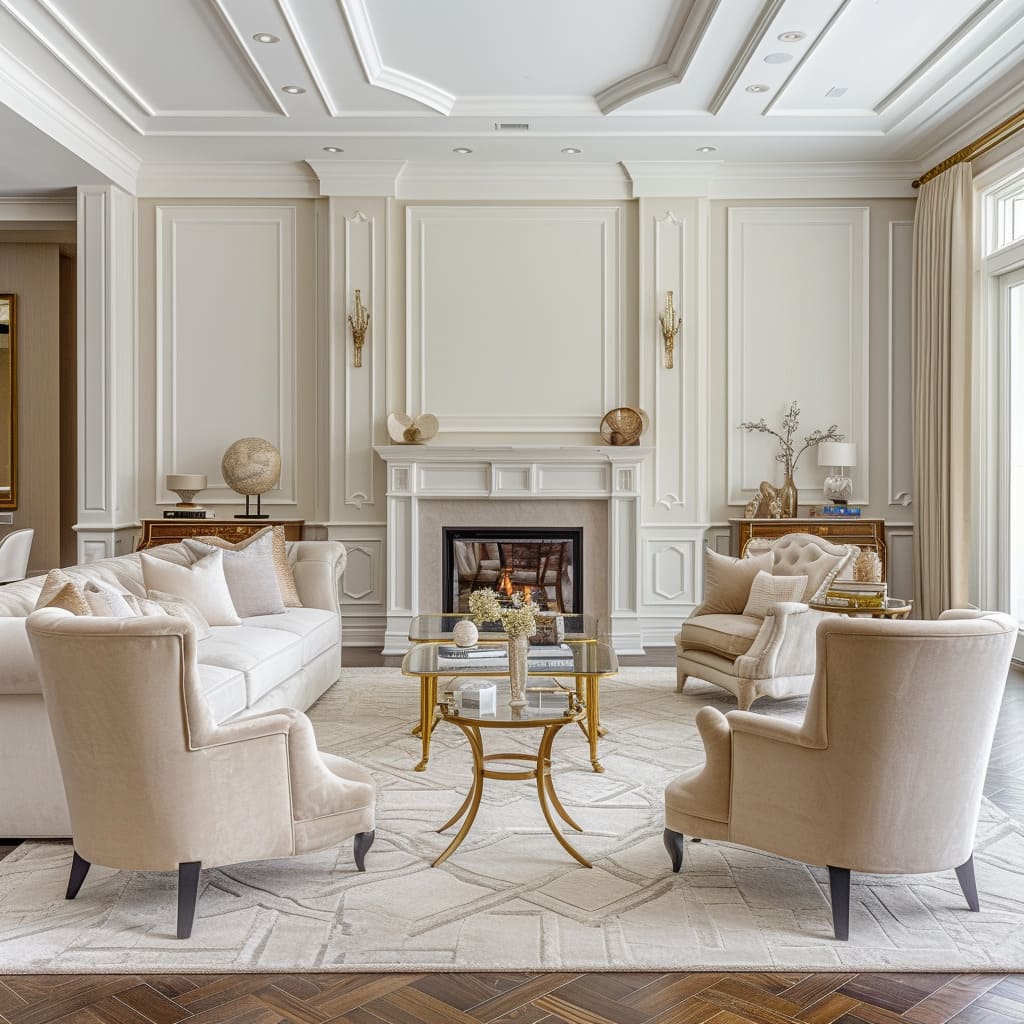
Balance and symmetry are key elements in creating a harmonious space. Symmetry, whether through furniture arrangement, décor, or architectural elements, creates a sense of order and calm. You don’t have to make everything perfectly symmetrical, but consider visual balance when arranging furniture and decorations. For instance, if you have a large piece of art on one side of the room, balance it out with furniture or another large decorative element on the opposite side.
5. Use Natural Materials
Natural materials like wood, stone, leather, and linen have been staples in interior design for centuries—and for good reason. They not only bring a sense of warmth and authenticity to a space but are also incredibly durable. Incorporating these materials can add timeless appeal to any room. Opt for wooden furniture, stone countertops, or linen curtains to bring a touch of nature indoors. These materials are also versatile and can complement various design styles, from rustic to modern.
6. Stick to Classic Patterns
Patterns are an excellent way to add personality to a space, but it’s essential to choose patterns that stand the test of time. Classic designs like stripes, plaids, florals, and geometric shapes never go out of style. They are easy to incorporate through textiles like curtains, rugs, pillows, and bedding. When used thoughtfully, these patterns can add layers of texture and interest without making the space feel chaotic or dated.
7. Pay Attention to Lighting
Lighting can make or break the look of any room. It’s one of the most overlooked yet crucial aspects of interior design. A well-lit room is welcoming and comfortable, while poor lighting can make even the best-designed spaces feel cold and uninviting. Aim for a mix of natural light, ambient lighting (such as ceiling lights or chandeliers), task lighting (such as desk lamps or under-cabinet lighting), and accent lighting (such as wall sconces or floor lamps). This layered approach ensures that the space is functional and beautiful at all times of the day.
8. Opt for Minimalism and Declutter
“Less is more” is a phrase often associated with timeless design, and for good reason. Minimalism doesn’t mean living in a bare space, but rather choosing only items that add value and beauty to your home. A cluttered space can feel chaotic and stressful, while a clean, minimalist room feels open and inviting. Focus on quality over quantity and select pieces that have meaning or serve a purpose. Keep surfaces clear, and always be mindful of visual clutter.
9. Incorporate Art and Personal Touches
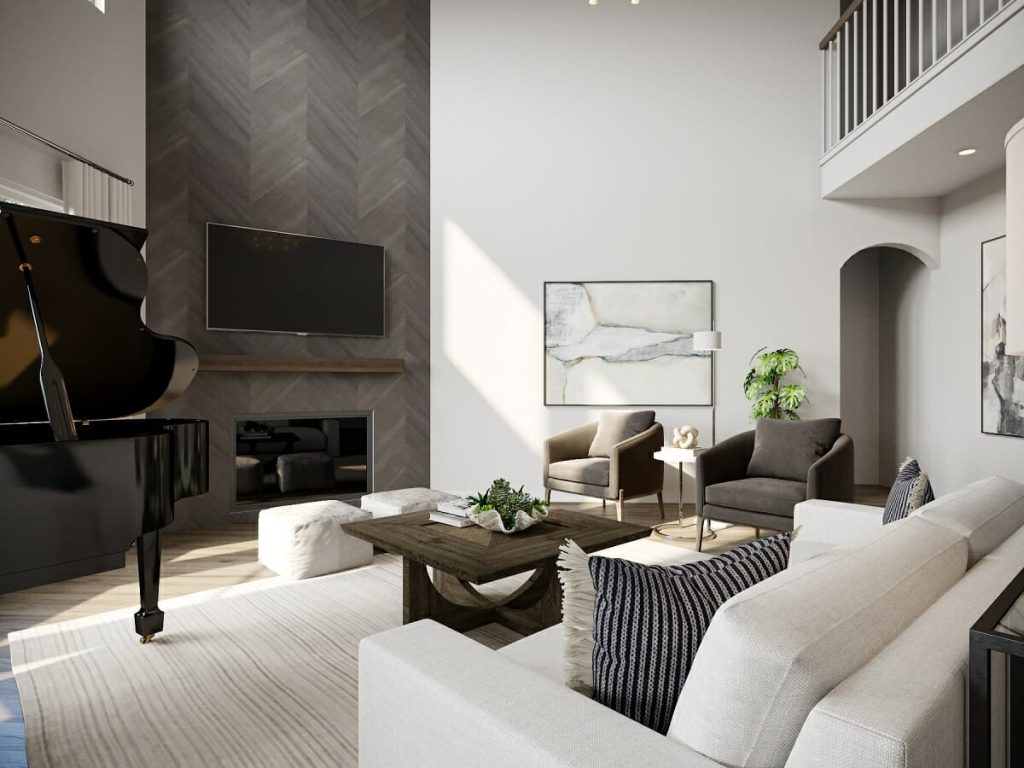
A truly timeless interior design reflects the personality of the homeowner. While it’s essential to follow design principles, your home should also feel like you. Incorporating art, family heirlooms, or personal collections is a great way to make your space unique and timeless. Art, in particular, adds depth, texture, and color to a room, and it can be easily updated to refresh your home’s look without undergoing a full renovation.
10. Maintain Consistency Across Spaces
A timeless home has a cohesive flow from one room to the next. This doesn’t mean that every room must look identical, but there should be a consistent theme or style that ties the spaces together. Whether it’s a recurring color scheme, material, or furniture style, consistency creates a sense of order and balance throughout the home. This rule ensures that your home feels connected and harmonious, making it more enjoyable to live in.
Timeless interior design isn’t about following the latest trends or filling your home with expensive items. It’s about creating a space that is functional, balanced, and reflects your personal style in a way that endures over time. By following these ten interior design rules, you can create a home that not only looks beautiful today but will continue to bring you joy for many years to come.